POLEN TJ promotes the expansion of renewable energy and the electrification of energy uses as key elements for advancing toward a more sustainable, democratic, and just energy system. This transformation should help reduce emissions, strengthen the resilience of the power system, and ensure that its benefits reach communities and territories equitably.
To advance this goal, POLEN TJ generates evidence, develops modeling and technical analysis, studies regulation and the functioning of the electricity market, and formulates public policy recommendations. It also promotes dialogue among institutions, companies, social organizations, and other actors involved in the energy transition.
Areas of Work
Renewable Energy Deployment
We analyze the technical, regulatory, economic, and territorial conditions needed to accelerate the incorporation of renewable energy in Colombia and overcome the barriers that hinder its development.
Power System Transformation
We generate technical inputs to move toward a more flexible, reliable, and resilient power system, capable of integrating a greater share of renewable sources and responding to the country’s present and future needs.
Regulation and Market Design
We study the regulatory framework and the functioning of the electricity market. Based on this analysis, we formulate recommendations related to planning, long-term contracting, reliability, and the participation of renewable energy in the market.
Electrification and Energy Efficiency
We promote the electrification of different energy uses and the incorporation of efficient technologies as part of the transformation of productive sectors, transportation, and households.
Just Transition of Thermal Power Plants
We provide evidence and recommendations to plan the gradual reduction of electricity generation based on fossil fuels, considering its economic, labor, social, environmental, and territorial implications.
Capacity Building and Advocacy
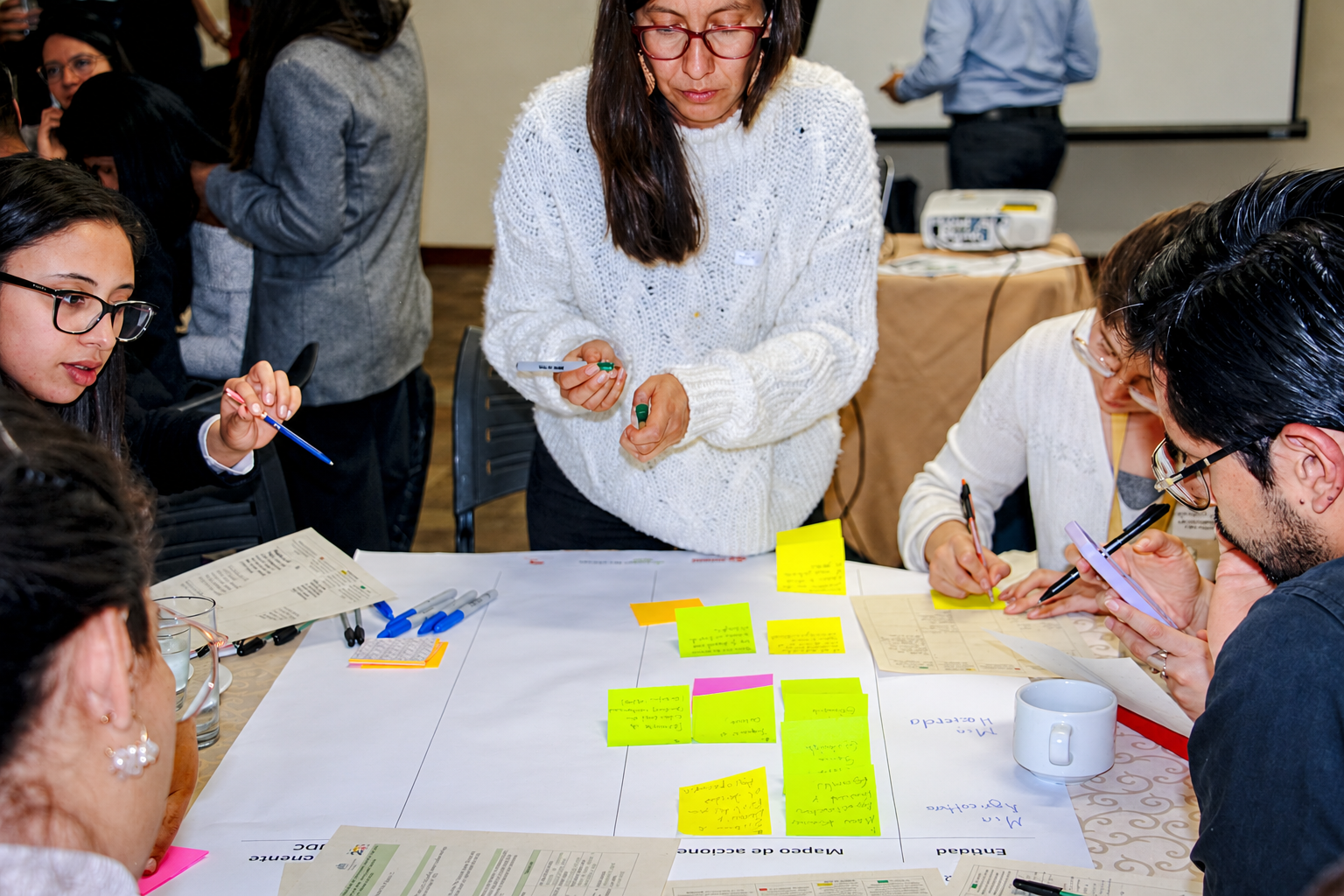
We develop tools, training spaces, and dialogue processes to strengthen institutional capacities and promote the translation of technical evidence into better public decisions.
Gender and Territorial Approaches
We incorporate gender and territorial approaches transversally. We seek to prevent the deepening of participation and employability gaps, recognize care work and informal employment, and promote the participation of women and other historically excluded groups in the energy transition.
How Does POLEN Work?
Our work combines modeling, applied research, regulatory analysis, advocacy, and communication. Through these tools, we develop recommendations, strategies, and roadmaps; strengthen institutional capacities; promote spaces for dialogue; and help ensure that decisions about the country’s energy future are grounded in evidence.
Related Projects
UK PACT: Powering Colombia’s Just Energy Transition: A Comprehensive Strategy to Strengthen the Renewable Energy Ecosystem
This project seeks to strengthen the technical, regulatory, and institutional conditions needed to accelerate the deployment of renewable energy in Colombia. To this end, it develops power system analyses, generates evidence, and formulates recommendations aimed at improving energy planning, system reliability, and long-term contracting mechanisms for non-conventional renewable energy sources. The project also strengthens institutional capacities and promotes dialogue with strategic actors so that its results contribute to decision-making and to the implementation of reforms that support the energy transition.
PIE: Accelerating Colombia’s Systemic Just Energy Transition by Connecting Policy, Market Design, and Stakeholder Engagement
PIE promotes a comprehensive vision of the energy transition that connects public policies, electricity market design, and the participation of different actors. Its work seeks to contribute to the deployment of renewable energy, promote market reforms, and support the just transition of thermal power plants. The project combines technical and regulatory analysis, roadmap development, advocacy, and dialogue with public institutions, the private sector, and civil society. It also incorporates social, labor, territorial, and gender considerations to ensure that the transformation of the energy system is just and inclusive.
GETI: Global Energy Transition Initiative
GETI seeks to accelerate the deployment of renewable energy and contribute to the phaseout of coal-fired electricity generation in Colombia. To this end, it addresses the regulatory, institutional, and territorial barriers that hinder the transformation of the power system. The project develops proposals to modernize regulation and the electricity market, facilitate the entry into operation of renewable energy projects, and promote appropriate contracting and integration mechanisms for different scales and technologies. GETI also works to strengthen environmental regulation related to coal-fired electricity generation. By connecting scientific evidence and legal analysis, it seeks to incorporate health impacts into environmental licensing processes and public policy decisions.