
Power systems around the world are changing, driven by technologies that are now the lowest-cost options available. Colombia enters this transformation with a major advantage—a clean and flexible hydropower base—but with rules designed more than thirty years ago.
The energy transition has become one of the defining challenges of the 21st century, and its main driver is no longer only environmental urgency, but economics: solar and wind are now the lowest-cost options for new generation capacity in nearly every country. But the transformation goes well beyond the competitiveness of these technologies. The electrification of end uses, digitalization, energy storage, distributed generation, and an increasingly active role for consumers are simultaneously changing both what a power system can do and what is expected of it. At the same time, the power sector is expected to enable the transformation of other sectors, including transport, industry, and buildings, making it necessary to look at the system as a whole.
In Colombia, the debate often focuses on the expansion of renewable energy, emissions reductions, and the future of fossil fuels. These are necessary discussions, but they are not enough to understand the challenge the country now faces. The bottleneck lies neither in the technologies nor in the resources available, but in how the power system is understood and in the rules that currently govern its planning, expansion, and operation—rules designed more than thirty years ago for a context that has fundamentally changed.
Recommended reading: For a deeper look at the changes needed, see the report: Cambios regulatorios, de planificación y de mercado para acelerar el despliegue de energías renovables no convencionales en Colombia.
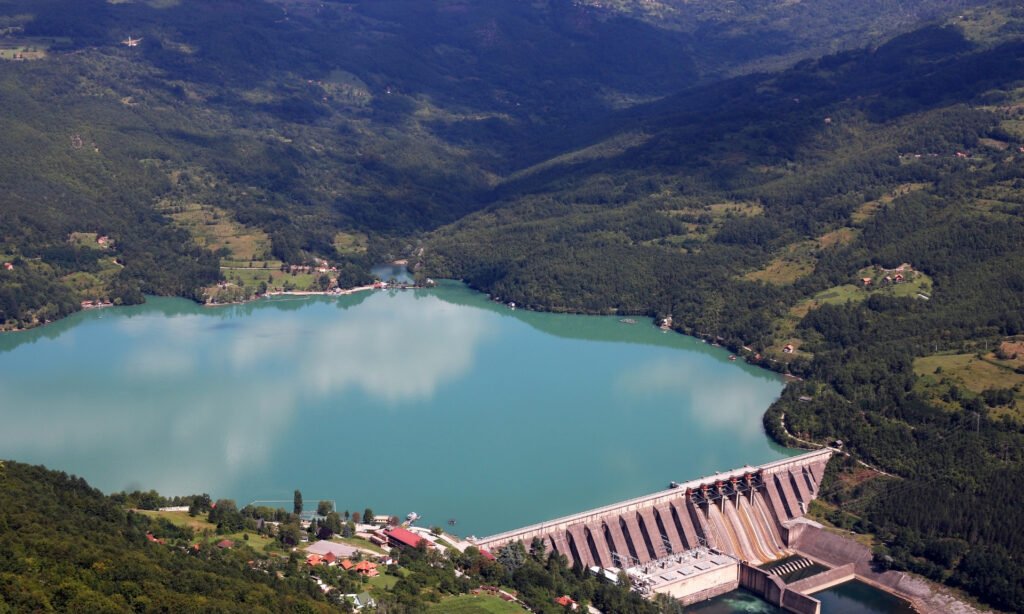
Unlike many countries seeking to replace power systems that are heavily dependent on coal or gas, Colombia starts from a different position. For decades, the country has built its power system around hydropower and thermal generation. This was a sound choice: these were the technologies that were available, reliable, and economically viable at the time, and the system was designed around that reality. The result is a predominantly renewable electricity mix, with roughly two-thirds of electricity generated from hydropower. Today, this foundation gives Colombia an advantage that few countries can claim: the flexibility needed to integrate solar and wind power at both large and small scales.
This starting point changes the nature of the challenge. The question is no longer simply how to incorporate more renewable energy, but how to transform the power system so that today’s lowest-cost technologies can be deployed at scale, turning this advantage into lower costs, greater reliability, and better conditions for investment, competitiveness, and people’s well-being.
Talking about transformation, rather than simply transition, means broadening the conversation. Transition is often understood as replacing one set of technologies with another. Transformation, by contrast, means rethinking how the power system is planned, expanded, and operated to meet future needs. Installing more solar panels or wind farms is not enough. Colombia needs long-term planning that keeps pace with technological change, as well as market rules that reflect the characteristics of new technologies and make it possible to take advantage of the complementarity among the resources already available in the system.
Recommended reading: Explore experiences and good practices from other countries in the region in the report Regional Buenas prácticas regionales para acelerar el despliegue de energías renovables no convencionales.
This approach is particularly important because Colombia’s power system faces challenges that go beyond adding new generation capacity. Growing electricity demand, changes in demand patterns driven by electrification, increasing climate vulnerability, the integration of new renewable sources, and the need to maintain competitive electricity prices all require a more comprehensive view of the system. Together, these factors require reconsidering assumptions that were once taken for granted. Reliability, for example, can no longer be understood solely in terms of how much energy each individual power plant can provide. It must instead consider the ability of the entire system to guarantee long-term supply and respond safely, flexibly, and efficiently under different scenarios.
The study Transición Energética Justa en Colombia: Ruta técnica para un sistema eléctrico confiable, limpio y de menor costo analyzes different expansion scenarios for Colombia’s power system. Its findings show that the lowest-cost expansion pathway incorporates solar and wind power without adding new thermal generation capacity. By the end of the period analyzed, in 2038, nearly 95% of electricity generation would come from a combination of hydropower, solar, and wind. This pathway could reduce generation costs by 53% and the unit cost of electricity tariffs by 29% compared with the business-as-usual scenario, provided that the process is accompanied by changes in power sector planning, operation, transmission, and regulation.
Understanding the transformation in these terms also changes the public debate. For years, the discussion has often been framed as a choice between technologies or as a trade-off between energy security, economic development, and environmental sustainability. Yet several countries have already moved forward with this transformation and now have power systems that are cheaper, more secure, and cleaner. The real challenge is to adapt the system efficiently and reliably to these new conditions while taking advantage of the opportunities they create for households, businesses, and industries.
Rather than asking how many renewable energy projects Colombia needs, we should be asking what kind of power system the country wants to build amid this paradigm shift. Answering that question means:
- Updating market rules so they reflect the characteristics of emerging technologies.
- Making better use of existing resources: treating hydropower not as baseload generation, but as a large battery for the system.
- Making more efficient use of existing transmission capacity.
- Designing mechanisms suited to capital-intensive cost structures, such as long-term contracts for renewable energy.
- Planning system expansion in a comprehensive and proactive way.
- Rethinking what reliability means in the power system that Colombia is building.
Recommended reading: One possible pathway for putting this agenda into practice is presented in the report De la identificación a la implementación: Estrategia institucional para acelerar el despliegue de energías renovables no convencionales en Colombia. See also Oportunidades y propuestas para la incorporación de co-beneficios en subastas de energía renovable no convencional en Colombia, which presents proposals for integrating social, economic, environmental, and territorial benefits into these procurement mechanisms.
Transforming the power system is not simply about changing the generation mix. In Colombia, that process began several decades ago. The next step is more ambitious: transforming the power system so that a historical advantage can become a platform for economic development, competitiveness, and well-being.
The question is not whether Colombia’s power system will transform—the economics of new technologies are already driving that change—but whether the country will lead the transformation or be overtaken by it. Inaction will not prevent change; it will only make it more expensive and increase the system’s vulnerability. Colombia has an opportunity to demonstrate that a clean power system can also be reliable, efficient, and competitive.