
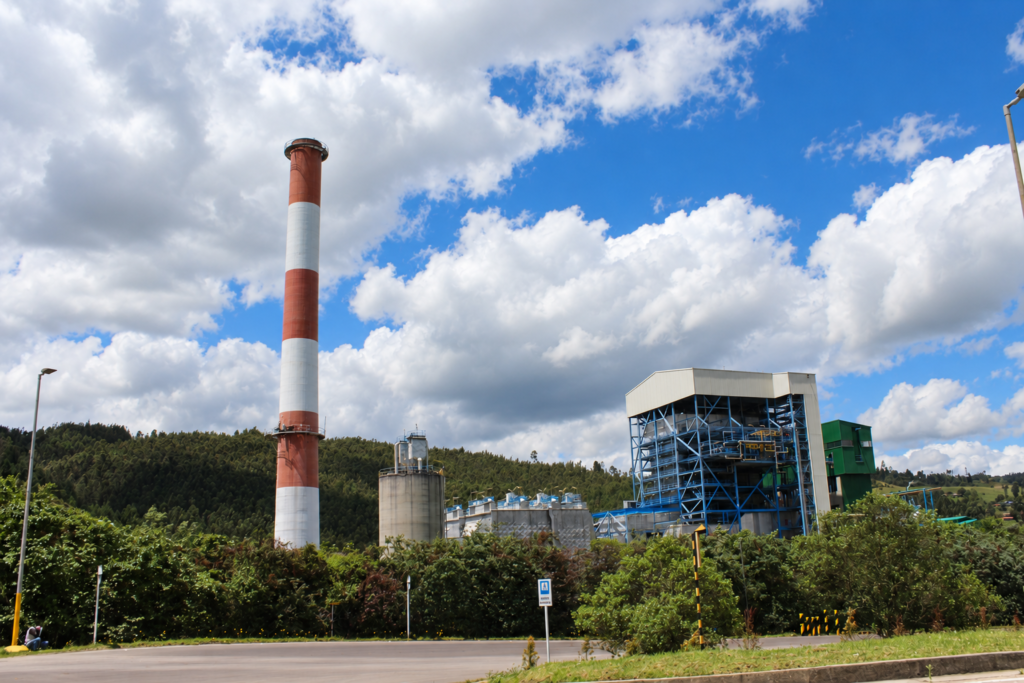
Latin America and the Caribbean no longer have any new coal-fired power plants under development. This is confirmed by the Boom & Bust Coal 2026 Report, published by Global Energy Monitor together with partner organizations from different regions of the world, including POLEN Transiciones Justas.
This does not mean that the coal phaseout has been resolved. The report shows that, although the expansion of new coal plants is losing momentum, policy frameworks still remain in place that treat coal as necessary within the power system.
You may also be interested in: Colombia Has the Conditions for a Planned Transition of the Power Sector
Globally, this tension is becoming increasingly visible. In 2025, installed coal capacity increased by 3.5%, while coal-fired electricity generation fell by 0.6%. In other words, more infrastructure is available, but it is being used less. This disconnect suggests that coal is beginning to play a different role: less as a primary source of generation and more as a backup for the power system.
The fact that no new coal plants are under development is a positive sign and confirms that coal expansion is no longer setting the direction of the region’s energy future. The challenge now lies with existing plants: when they will retire, under what rules, and with what guarantees for affected territories. Without clear decisions, these plants may continue operating simply through inertia.
By joining the Powering Past Coal Alliance in 2023, Colombia adopted a clear goal: to move toward phasing coal out of its electricity mix by 2030. Reaching that milestone, however, requires concrete decisions now. Several plants in the country still lack clear retirement dates, and some are older units with limited ability to respond to the current needs of the power system or provide the flexibility services often used to justify their continued operation.
For further reading: Coal and the Climate Crisis
At the end of May 2026, system operator XM will publish the allocation of Firm Energy Obligations for the 2029–2030 period. This allocation will indicate which coal-fired plants will continue to provide system reliability beyond 2030, and whether Colombia is upholding or postponing its coal phaseout commitment.
For POLEN Transiciones Justas, this assessment confirms that the debate can no longer be limited to stopping new projects. The task now is to plan the retirement of existing plants through public timelines and guarantees for communities, workers, and municipalities.
A just coal phaseout must be planned or it will not happen. It cannot be improvised. It requires the country’s energy policy, electricity market, and climate commitments to move in the same direction.
See also: Toward a Coal-Free Future
Latin America has already closed the door to new coal-fired power plants. The challenge now is to prevent existing plants from continuing indefinitely without a clear retirement pathway. For Colombia, the question is not only whether it will phase out coal, but how it will do so, on what timeline, and with what guarantees for the territories that currently depend on it.