POLEN TJ works to ensure that the energy transition helps transform and diversify the economies of territories and sectors that currently depend on the extraction and use of fossil fuels. This transformation should generate sustainable productive alternatives, decent jobs, and new capacities, while preventing its costs from falling on workers and communities.
Our work seeks to identify opportunities for industrialization and the development of value chains linked to the energy transition, strengthen the capacities of workers and social organizations, and generate evidence to guide public and private decision-making toward a more sustainable, inclusive, and resilient economy.
Areas of Work
Economic Diversification and Productive Transformation
We analyze economic alternatives for territories and sectors dependent on fossil fuels, taking into account their productive capacities, social conditions, and development opportunities.
Green Industrialization and Value Chains
We study the value chains of the technologies needed for the energy transition in order to identify opportunities to strengthen national industry, develop local suppliers, and reduce external dependencies.
Labor Reskilling and Training
We identify the labor and educational gaps faced by workers and propose training pathways that facilitate their access to new employment opportunities.
Decent Work and Social Protection
We promote a transition that protects labor rights, recognizes differentiated impacts on workers, and generates employment and income alternatives in the territories.
Solidarity Economy
We support the strengthening of solidarity economy organizations as an alternative to diversify income, generate employment, and give continuity to labor reskilling processes.
Transformation of Companies and Strategic Sectors
We analyze transformation options for companies and sectors linked to fossil fuels, considering their investment needs, financial risks, and economic, labor, fiscal, and environmental impacts.
Advocacy and Capacity Building
We generate technical inputs and promote spaces for dialogue to strengthen the participation of unions, communities, institutions, and other actors in decisions related to the productive and labor transition.
How does POLEN TJ work?
POLEN TJ combines economic research, territorial analysis, financial modeling, capacity building, and public policy advocacy. Our work is built through dialogue with workers, unions, social organizations, companies, public institutions, and territorial actors.
Related Projects
Opportunities for Productive Transformation in Colombia within the Framework of the Just Energy Transition. Analysis of the Colombian Industrial Context, the Value Chains of Technologies Linked to Energy Sources, and the Strategic Economic Sectors Associated with Them
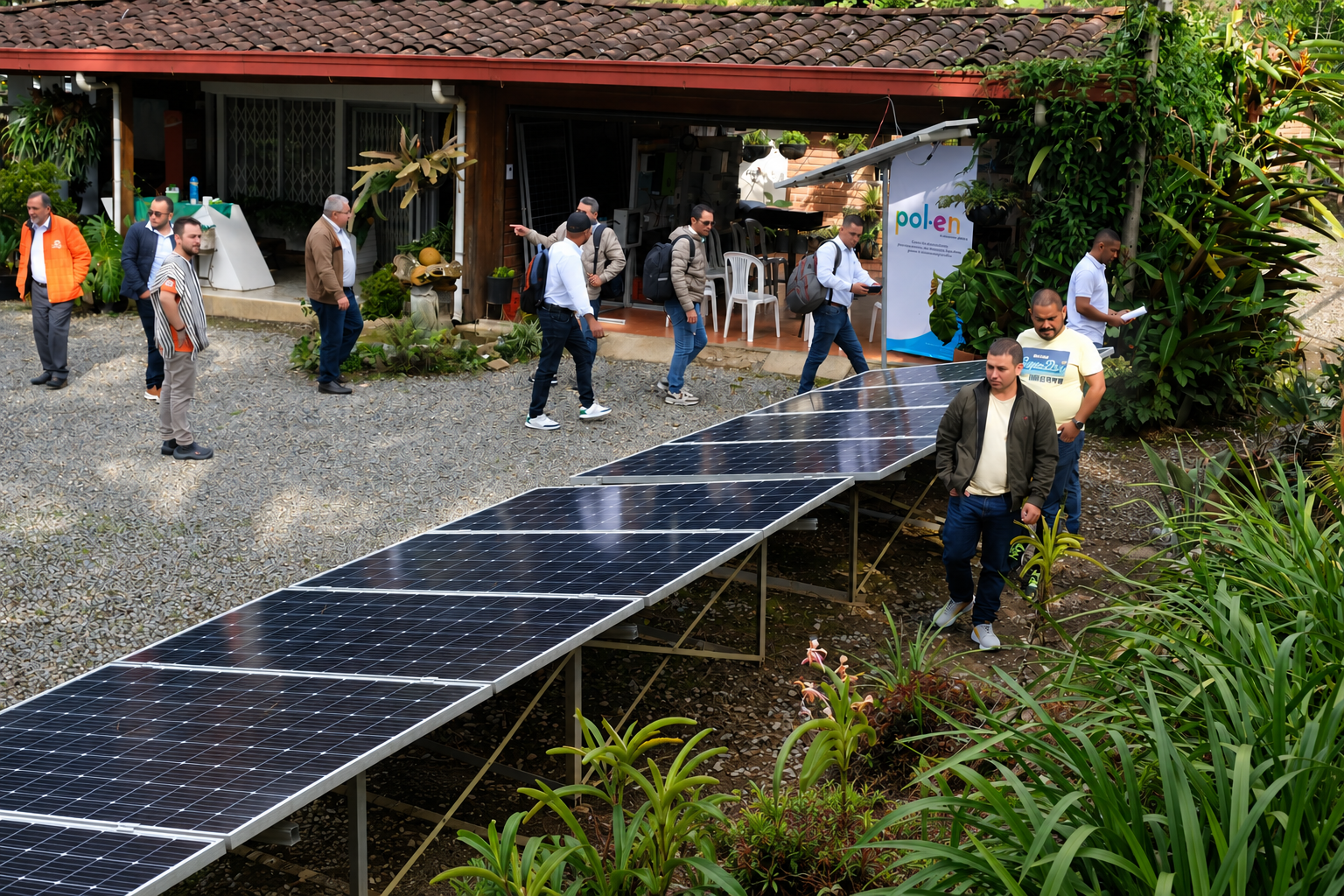
With support from the Heinrich Böll Foundation, this project analyzes opportunities for productive transformation and industrialization associated with Colombia’s just energy transition. It addresses the phaseout of fossil fuels, as well as the value chains of solar photovoltaic technologies and high-efficiency household appliances. Its outputs include a characterization and georeferencing tool for the solar photovoltaic value chain, which help identify productive capacities, gaps, and opportunities across the country’s regions.
Financial Scenarios for the Strategic Transformation of Ecopetrol’s Core Business
This project analyzes scenarios for transforming Ecopetrol’s core business and diversifying it toward low-emission activities and clean energy. Through financial modeling, it assesses alternatives based on their investment needs, risks, returns, and economic, labor, and environmental impacts. Its results will help identify viable transformation pathways and formulate recommendations to align Ecopetrol’s future with decarbonization, fiscal stability, energy security, and the protection of workers.
Advocacy Proposal for Industrialization and Just Energy Transition in Latin America and the Caribbean
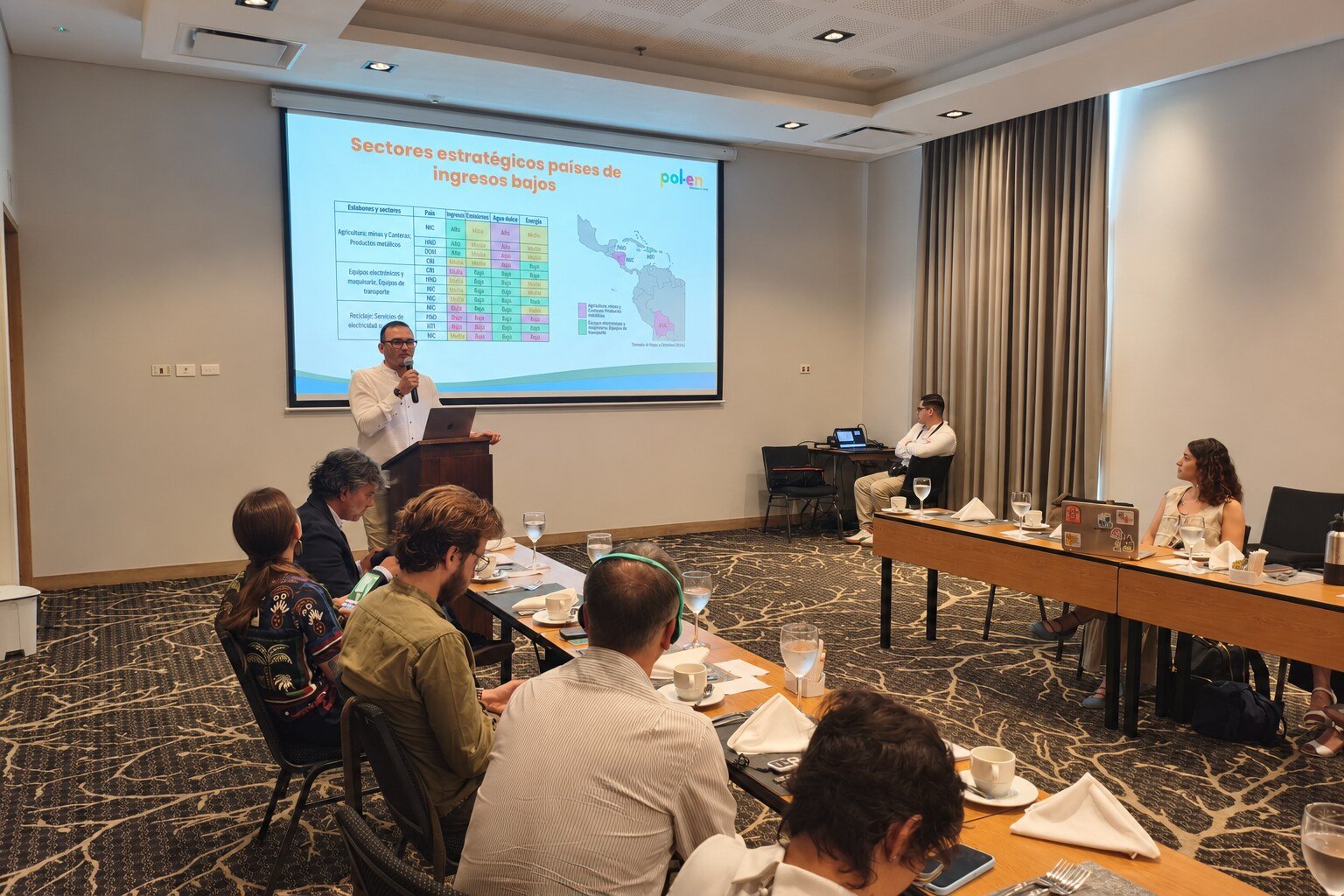
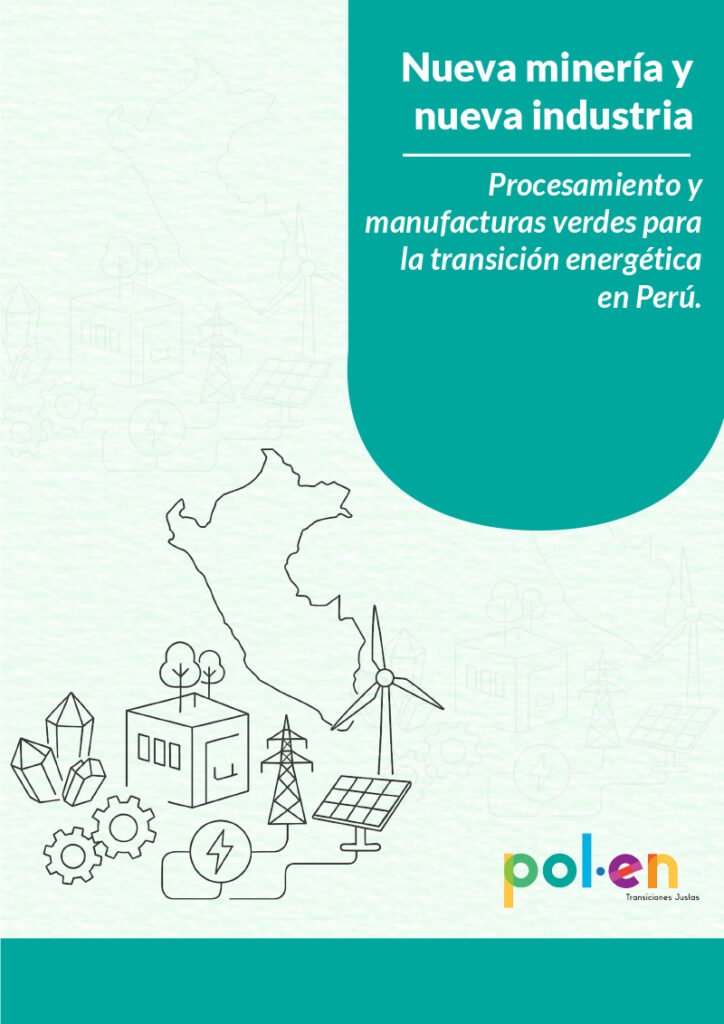
With support from Oxfam, this project promotes industrialization pathways linked to strategic sectors for the just energy transition in Bolivia, Colombia, and Peru, as alternatives for productive transformation and for closing social, economic, and environmental gaps. Through meetings and gatherings with strategic actors, it presents analyses and recommendations and fosters technical and political dialogue on industrialization associated with the energy transition.
Labor Reskilling, Policy Advocacy, and Solidarity Economy: Union Tools for a Just Transition
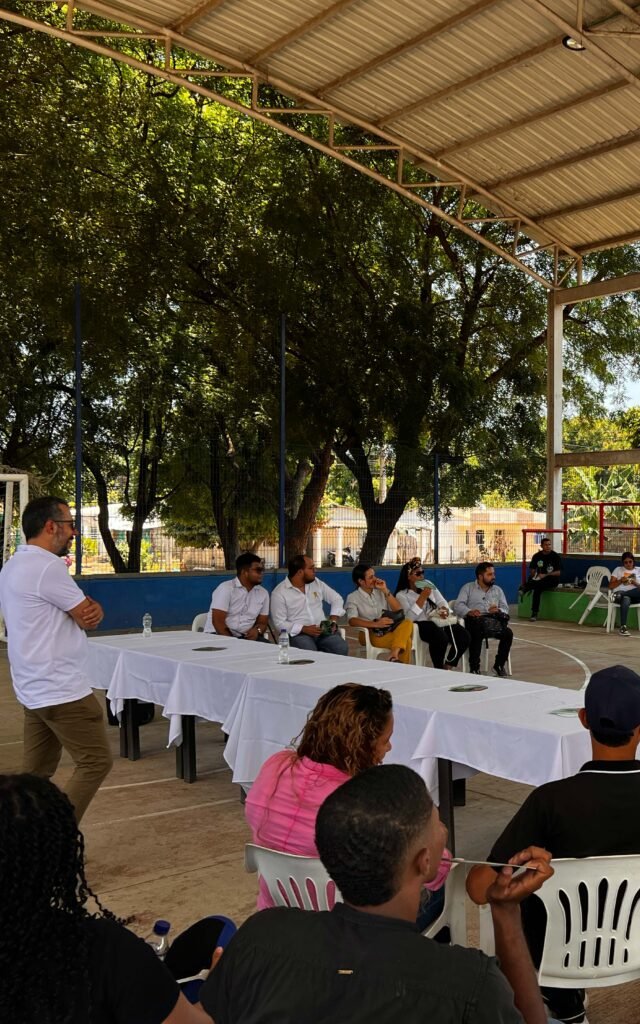
Developed with Colectiva 128, this project strengthens the capacities of coal mining unions in Cesar and La Guajira to participate in energy and productive transition processes. The project analyzes labor and educational gaps, identifies employment opportunities, and designs training pathways for labor reskilling. It also promotes union participation in public policy spaces and supports solidarity economy organizations made up of former mining workers.